
Cultural Competence

Are we doing it right?
We live, work in, and provide a service to a city which is woven together by people from different walks of life and who identify with different cultures. Thus, it will come as no surprise that the topic of cultural competence is regularly discussed amongst our clinicians and is an area that all members of our team feel is important to our practice as speech and language therapists.
So, what is cultural competence and why do we feel our understanding of it is important to share with people engaging with our service?

Cultural competence is defined as:
“ the ability to merge the skills of understanding your own culture, views, and privileges; being willing to expand your worldview to learn about other cultures and their practices; internalising a positive attitude towards differences in cultures; and cultivating a readiness to accept and respect those differences”
While many people have successfully defined cultural competence and there is ample information stating the importance of incorporating cultural competence in healthcare services, we as a team struggled to find clear, evidence-based research and guidance on how to actualise this within our practice.
We also found that while there are some pockets of the internet where people are talking about cultural competence within speech and language therapy, overall, there is a lack of discourse in this area and sometimes, the language surrounding cultural competence can be negative, e.g. considering it a “challenge” to the profession.
At The Speech Therapy Practice, culture in all its categories (race, religion, heritage, sexual orientation, ethnicity) are highly valued and celebrated aspects of our clients’ lives. Which is why we are always making a conscious effort to make this an intrinsic part of the service we provide and in doing so, making our therapy client centred.
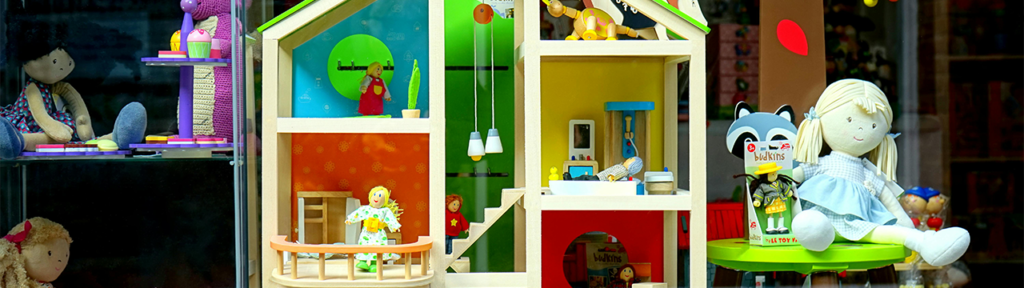
What if we didn’t consider culture in speech therapy?
In order to be truly client centred, we as a team consider culture both at the planning and delivery stages of therapy. An example of this is that we ensure that the resources, toys, and books we use are appropriate for our clients, e.g. we considered that some Muslim families may find pig toys/books inappropriate as the pig is considered an impure animal in Islam.
Topics such as this can sometimes feel sensitive, and we find that the best way to make everyone feel at ease is to simply ask our clients and families what they are comfortable with. In this case, we ask families whether they are happy for us to use these resources for therapy.
Implications of not considering culture at these stages of our service delivery could mean that clients may feel that their cultural beliefs, worldview, and way of living are not valued.
This in turn could mean that families hold back on sharing information in the fear of not being understood by the therapist.
It could also mean that targets set for therapy are not appropriate or feasible for the family. For example, rules and expectations for child-rearing across cultures vary hugely. This means that what is an important target for one family may not be important for another. Thus, conversations about cultural norms and expectations are paramount when planning therapy.

How are we improving our cultural competence at The Speech Therapy Practice?
Driven by our desire to make our practice holistic and client centred, starting the conversation about culture in the sphere of Speech and Language Therapy was the first step of many we have taken here at The Speech Therapy Practice. As a result of our frequent team meetings, culture is at the forefront of our minds, and we are able to learn from each other’s experiences with working with people from different cultures. We also bring culture from our own lives and learn from one another’s experiences. For example, our team consists of people from different races and religions, some of our practitioners’ care for and live with people with disabilities, many of our team have close family who come from countries outside of England, and some of us have even worked with charities abroad!
Following from our meetings and conversations, we felt that we should put in place more concrete measures of our practice in this area, and so we created our own Audit Tool for Cultural Competence. We used this tool to measure our own strengths and areas for improvement. We have also created our own list of tips for people working with similar clientele (see below).

How can I become more Culturally Competent?
- Awareness of self – to learn about other cultures, you need to know your own identity, views, comforts/discomforts, assumptions, and stereotypes.
- Be curious – create opportunities for yourself to learn about others.
- Ask questions – most people appreciate someone trying to learn about their culture and this can often be a source of rapport and trust building with clients and their families.
- Seek help from colleagues – conversing with diverse colleagues and using diverse resources can help you to ensure you are being culturally respectful.
- Use a self-assessment audit tool to keep a track of your own learning. You can request a copy from fizza@thespeechtherapypractice.com
- Keep up to date with current affairs and how this may affect your clients.
By Fizza Atif
Speech and language therapist